
The Seed Savers’ Network is a not-for-profit organisation based in Australia to conserve, in culture, seeds of traditional varieties of plants for food and other uses. We favour varieties that are locally-adapted, hardy and dependent on neither synthetic fertilisers nor toxic chemicals, but rather home-made composts. We are home gardeners saving locally-adapted seeds of tomorrow’s food.
The Seed Savers’ Network, est. 1985
The 2024 edition of our The Seed Savers’ Handbook, A Permaculture Seed, includes a personal perspective by curator, author TV presenter and conservationist Jerry Coleby-Williams :-
“Saving seed from your best plants each year you can improve your crops, creating localised varieties adapted to your local soils and conditions and to the more extreme stresses and strains of our continually surprising climate. Our multicultural society has a rich history of seed conservation. This is your guide to maintaining the vitality of that heritage.”
Permaculture founder, Bill Mollison wrote, “I believe this book to be essential for all caring farmers, gardeners, cooks and parents, and I trust that it will speed our return to good nutrition and a healthy society.”
Here are a couple of our books now free to download- “Local Seed Network Manual” on how to start a group that collects, uses and shares locally adapted seeds and other planting material and “Seed to Seed Food Gardens“ on how to start a food garden.
Discounts up to 48.5% on bulk orders of “The Seed Savers’ Handbook, A Permaculture Seed”
All prices include postage and handling!
We are no longer taking orders from outside Australia

Seed Savers Handbook
Bulk Discounts Available!
All prices include postage and handling!
Click Here to download your free posters
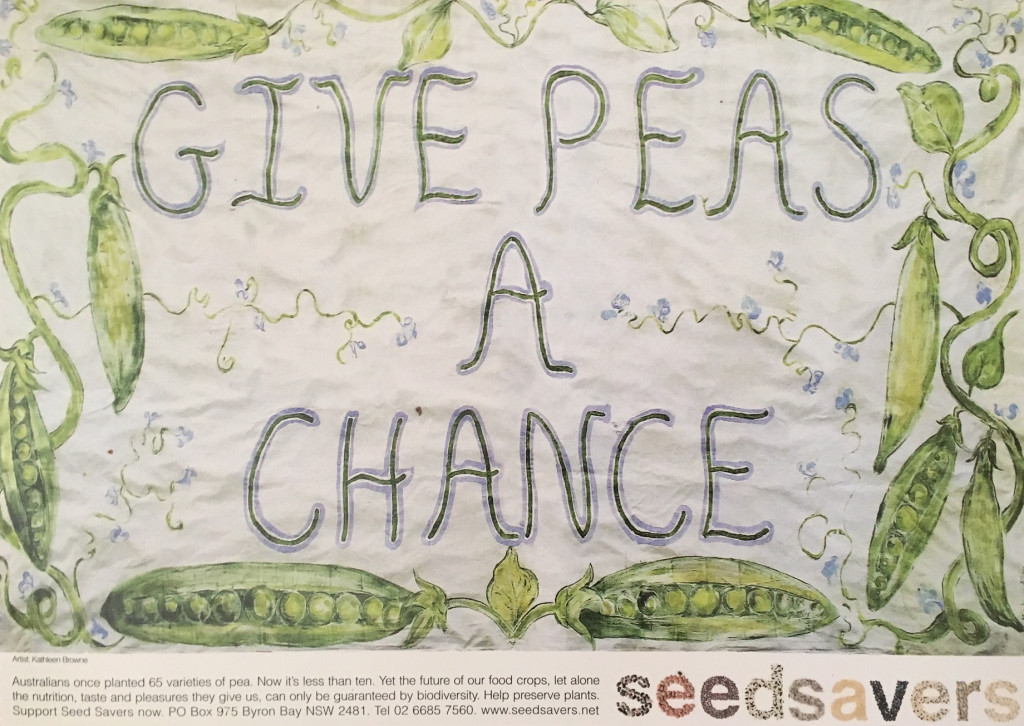

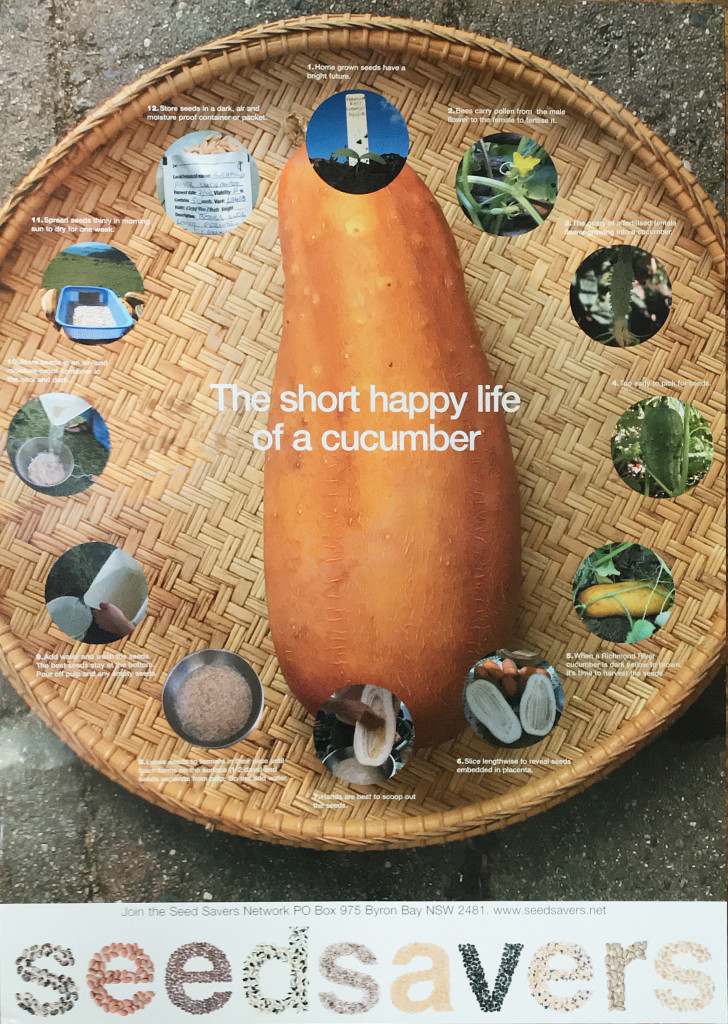
Bookshops, nurseries, Local Seed Networks, Permaculture groups and individuals obtain The Seed Savers’ Handbooks at wholesale prices, with attractive discounts when they buy a box.
Our books and DVDs are translated into eight languages
Popular Videos from the Seed Savers’ Youtube Channel
-

"Our Seeds" 57 mn film, Portuguese subtitles English sound track
Shot in 11 countries, original music, farmers interviews.
Following this Portuguese edition, we will put online other subtitled versions in French, Chinese and Japanese. The original version is 16:9. -

"Our Seeds": Why save seeds and who does it
This is just the first 3 mins of our 57 min documentary on traditional food plants, that we shot in eleven countries. We took all the footage and made it in our editing suite in Byron Bay, Australia in 2008. "Our Seeds" has been shown on television in ten Pacific nations and on cable television in Manhattan NY in January 2010. We offer DVDs of "Our Seeds" for sale and work papers at www.seedsavers.net.
Welcome to The Seed Savers' Network of Australia
The Seed Savers' Network is an Australian-based organisation established in 1986 to preserve local varieties of useful plants. There are more than eighty Local Seed Networks for local gardeners around Australia. We are also active in forty countries so far. See About Us where you will find an overview of our activities, the countries in which we have worked, our story so far with archives of our work and how you can get involved. See also an overview of our Permaculture roots.
Founders, Jude and Michel Fanton, have authored and published three books, "The Seed Savers' Handbook", "Local Seed Network Manual" and "Seed to Seed Food Gardens in Schools" and produced a one hour documentary, "Our Seeds" - purchase our publications or film. Our new documentary "Our Roots" that we filmed in Vanuatu for CIRAD the French research institute will be out soon. Please use the resources we offer at no cost to you and without sponsored links.
Film clips from our seed travels
We have filmed and produced hundreds of clips and uploaded them to Seedsavers Youtube channel. You may view just 38 of them in the media player below. Topics include home seed production, unusual varieties of food plants on markets, food production and distribution systems. The large main frame is the first three minutes for our one-hour documentary "Our Seeds". -

Organic Cherry Tomatoes Self Seed
Www.seedsavers.net
Our way to harvest them with scissors to make them last longer. -

Bananas! extraordinary stories from PNG, Solomon Islands, India from the locals
Much more on www.seedsavers.net Two free books to download about starting a garden "Seed To Seed" and how to start you local seed network.
The best selliing every popular the Seed Savers' Handbook: a Permaculture Seed available with up to 50% disc for bulk buys.
Bananas originate in South East Asia and Papua New Guinea. They are an every-day food for some people.
Hindu in a temple of Subramanya once a year, their priest caste eat food on banana leaves in the temple along with thousand of other pilgrims and when the bell rings, everyone eating ceases eating and walks out. In come pilgrims rolling on the ground across the leaves in the belief that any skin conditions they have will be cured. They roll in the left-over food literally and in a kind of trance. It is an interesting belief system that we respect. -
Seed Savers on a Commercial
Current Seed Savers film clip on Australian Channel 10 -
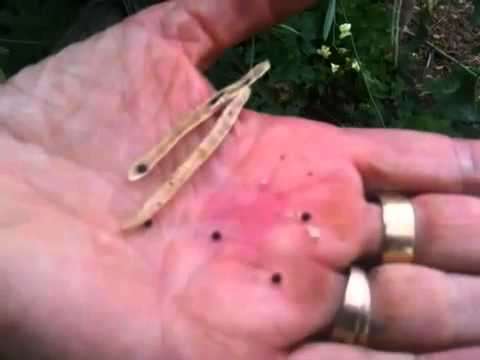
Jude Fanton shows how her african Cabbage Produce Seeds yearly!
www.seedsavers.net gives you two book at no cost, free to download. No BS. one is Seed To Seeds food gardens, the other is how to become a seed legend by starting a Local seed network. no cost involved. we are a not for profit but sell one book we authored The seed savers handbook: a permaculture seed. 2020 newish edition. up to 50% off for reselling in your LSN
Brassica carinata is a blessing. So is Jude in the gardens. This unusual brassica produces tonnes of tender shoots self seeds readily even in the dry tropics which is just about impossible with modern highly bred cabbages from commercial sources. -
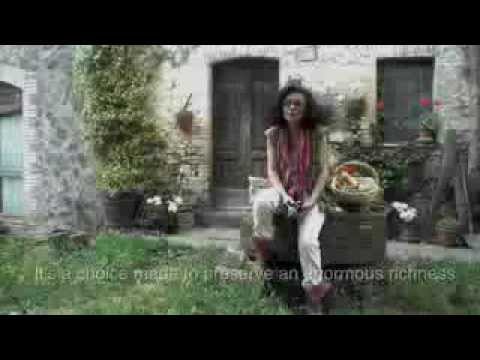
"Guardians of the Seed", /promo of the film doco "Our Seeds".
Thank you so much again film makers Michael-Shaun & Alex (the Conway-Melnyk family) they kindly produced the very first on our one hour doco Our Seeds in Sienna, Italy while we visited them. Expect some italian ...
The film is all about conserving traditional varieties of fruit and vegetable in gardens. saving seeds and the (bio) cultural factor.
www.seedsavers.net
Ok the rights have NOT been cleared because as we did the quick edit of the footage, we tried to fit some music just to see how it feels and then it stayed.... and we never actually cleared the rights from the owners which I should have done, and going to do. Hope google youtube wont get toooo angry at us and slap us with adverts. The trailer was made pro bono by friends in Italy and I think that between pasta and bottle of fine vino i understood the sound track was clear of copyrights. Wishful thinking!? I must have heard "voices". I will make sure that we either pay for the rights or get some donation if we can turn the copyritghts owners onto our campain as we are a not for profit organisation registered in Australia.
Here is the music that is so beaut.
Morning Light (coffee shop remix)
Artist: SWEN G* feat. Inusa
Take Me To This Place
Artist: Camiel Manvantara
Artist: Tchando
www.seedsavers.net Watch 100 000 rice seed varieties disappear into the thin air....the 3:43 minute introduction to the 57 minute doco, "Our Seeds" that we made. As progress moves towards industrialisation and modernisation of farming and food processing a sad casualty is biodiversity as third world and traditional farmers are encouraged to adopt modern hybrid varieties and chemical farming techniques, often unsuited to their environment and needs. Along with this is a loss of traditional knowledge of the cultural, nutritive and medicinal uses of food plants.
This is a small clip from our upcoming documentary film highlighting how traditional farmers act as the preservers of biodiversity and traditional culture. Filmed in Papua New Guinea, Solomon Islands, India, Sri Lanka, Umbria, Taiwan, France and Italy. Made in Italy as a promo by Micheal Shaun Conneway and Alex Mynk of Story Works.
For more information go to www.seedsavers.net
Welcome to The Seed Savers' Network of Australia
The Seed Savers' Network is an Australian-based organisation established in 1986 to preserve local varieties of useful plants. There are more than eighty Local Seed Networks for local gardeners around Australia. We are also active in forty countries so far. See About Us where you will find an overview of our activities, the countries in which we have worked, our story so far with archives of our work and how you can get involved. See also an overview of our Permaculture roots.
Founders, Jude and Michel Fanton, have authored and published three books, "The Seed Savers' Handbook", "Local Seed Network Manual" and "Seed to Seed Food Gardens in Schools" and produced a one hour documentary, "Our Seeds" - purchase our publications or film. Our new documentary "Our Roots" that we filmed in Vanuatu for CIRAD the French research institute will be out soon. Please use the resources we offer at no cost to you and without sponsored links.
Film clips from our seed travels
We have filmed and produced hundreds of clips and uploaded them to Seedsavers Youtube channel. You may view just 38 of them in the media player below. Topics include home seed production, unusual varieties of food plants on markets, food production and distribution systems. The large main frame is the first three minutes for our one-hour documentary "Our Seeds". -

Daikon Radish: Jude Fanton selects for Seeds
Choosing the best candidates for seeds is paramount to improve the variety to become a local breed after repeating the process each year for several seasons.
check www.seedsavers.net for two book at no cost, free to download. one is Seed To Seeds food gardens, the other is how to become a seed legend by starting a Local seed network. no cost involved. we are a not for profit but sell one book we authored The Seed Savers Handbook: a Permaculture Seed. 2020 newish edition. up to 50% off for reselling in your LSN -
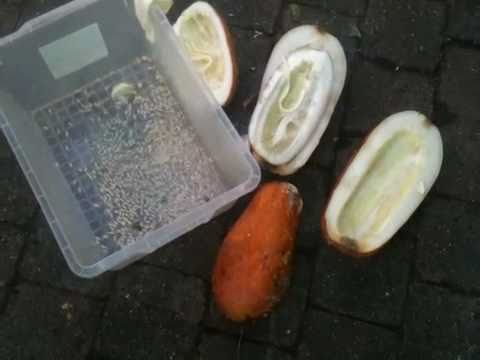
How we Save Cucumber Seeds: in Jude and Michel gardens
Cleaning and drying cucumber seeds. Note we wait until they are full size and the seeds are mature inside, at least a month after the eating stage, if not two months. Rogue them means take out the vist www.seedsavers.net for the two books we have made available on our website.
one is how to start a garden Seed To Seed and the other how to create a local seed network around you like we did all over Australia and in 38 countries we visited since 1986.
Become a local seed legend -

Sepp Holzer Says: Select seeds on your Best Plants that have grown on your Worst Soil
Sepp has writen permaculture books and is known as the most inventive and creative practionner in Europe as he is growing subtropical plants in the snow in altitude in Austria. Pick from the best plants on the worst soil is his motto.
Michel asked Sepp Holzer his take on producing seed as they met for lunch near Lisbon. -

How to Plant Red Turmeric
Rare local red variety originally from Papua via a missionary. Yes to Australia -

Lima Bean harvest for seeds is 4 years old
www.seedsavers.net Two free books Jude and Michel offer you two book at no cost, free to download. No BS. One book is Seed To Seeds Food Gardens, the other is how to become a seed legend by starting a Local seed network. We are a not for profit but sell one book we authored The seed savers handbook: a permaculture seed. 2020 newish edition. up to 50% off for reselling in your LSN
Brassica carinata is a blessing. So is Jude in the gardens. This unusual brassica produces tonnes of tender shoots self seeds readily even in the dry tropics which is just about impossible with modern highly bred cabbages from commercial sources.
Organic lima beans are a short-lived perennial that thrives on neglect in our gardens. After four months absence from our gardens we found several kg. -
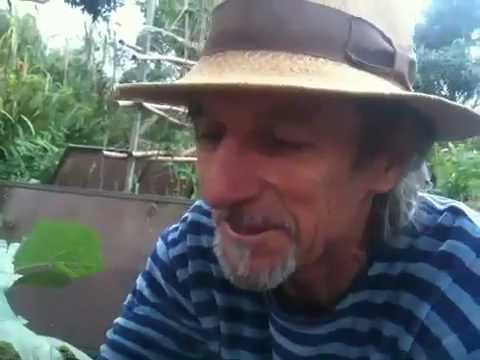
How We Harvest Peanuts
How to determine when peanuts are ready for harvest. Also, if they sprout before harvest, they are still edible. There is a side harvest in this bed of turmeric, ginger and sweet potato.
www.seedsavers.net -

Save Lettuce Seed: Pillow Case Trick
www.seedsavers.net
Too easy to process lettuce seeds in the home garden. Here Carley Tranter and Terry Frewin demonstrate how at a seed saving workshop in Violet Town -

How Jude Propagate Lemongrass simply in our gardens
Simplely done for thousands of years. Thanks Jude for showing us how you do your planting! Love it.
Www.seedsavers.net
Two free book on how to build a garden seed to seed and the other how you can start a local seed network and we can all be local seed legends!
How to propagate lemongrass by dividing and replanting. -

Produce Your Beetroot Seeds
How to save seeds of a beetroot. Filmed in southern Tasmania, Yellow Echendorf Beetroot in Kate Flint's garden. www.seedsavers.net -

Save Corn Seeds: Cross Pollination
Must plant maize in a block so the cobs have a better chance of receiving more pollen. Jude Fanton explains why. -

Michel Fanton asks Permaculture's David Holmgren about plant adaptation
This was recorded on our iPhone when David and Su dropped in the Seed Gardens in Byron Bay, Australia in 2011
www.seedsavers.net gives you two book at no cost, free to download. one is Seed To Seeds food gardens, the other is how to become a seed legend by starting a Local seed network. no cost involved. we are a not for profit but sell one book we authored The seed savers handbook: a permaculture seed. 2020 newish edition. up to 50% off for reselling in your LSN -

How Jude harvests her Bamboo Shoots
www.seedsavers.net
Not bitter so probably no cyanide. Better give them a quick boil that species is exceptional very rare to find a sweet bamboo shoot.
Two free books we sold for years for you to download. No costs.
Seed to Seed Gardens and how to start a local seed network and be a local seed legend.
A rare bamboo whose shoots are good to eat wihtout cooking.
The shoots of the New Guinean bamboo, Nastus elatus are edible raw. If in a hurry, you can pick them by kicking them.
Welcome to The Seed Savers' Network of Australia
The Seed Savers' Network is an Australian-based organisation established in 1986 to preserve local varieties of useful plants. There are more than eighty Local Seed Networks for local gardeners around Australia. We are also active in forty countries so far. See About Us where you will find an overview of our activities, the countries in which we have worked, our story so far with archives of our work and how you can get involved. See also an overview of our Permaculture roots.
Founders, Jude and Michel Fanton, have authored and published three books, best seller "The Seed Savers' Handbook"with 32000 copies sold with some free text available on www.seedsavers.net, "Local Seed Network Manual" and "Seed to Seed Food Gardens in Schools" and produced a one hour documentary, "Our Seeds" - purchase our publications or film. Our new documentary "Our Roots" that we filmed in Vanuatu for CIRAD the French research institute will be out soon. Please use the resources we offer at no cost to you and without sponsored links.
Film clips from our seed travels
We have filmed and produced hundreds of clips and uploaded them to Seedsavers Youtube channel. You may view just 38 of them in the media player below. Topics include home seed production, unusual varieties of food plants on markets, food production and distribution systems. The large main frame is the first three minutes for our one-hour documentary "Our Seeds" -

Turmeric Harvest: Lift & Replant
Www.seedsavers.net
If not Turmeric keeps on growing but the year growth rots. -

What we do with Ginger After Harvest
Julianne Hartmann from Ravenshoe Australia shows how she does it.
You can see more clips on how to process garden food on our website and also on youtube.com/seedsavers -

How We Plant Ginger
Growing Ginger organic in Byron Bay. Spring time to get out the gingers you saved from last season and replant. what we do we sprout them in pots and mulch on top -

Growing Oyster Mushrooms at Home in Sabah, Malaysian Borneo
www.seedsavers.net
Pleurotus species here at 1300m in Sabah, Malaysian Borneo. The growing medium is made of rice husks, sawdust and limestone. Paulina, she uses neither insecticides nor fungicides. She sells the mushrooms to Chinese restaurants in Ranau town See video how we do it more naturally in our Australian garden on our channel.
Www.seedsavers.net
Welcome to The Seed Savers' Network of Australia
The Seed Savers' Network is an Australian-based organisation established in 1986 to preserve local varieties of useful plants. There are more than eighty Local Seed Networks for local gardeners around Australia. We are also active in forty countries so far. See About Us where you will find an overview of our activities, the countries in which we have worked, our story so far with archives of our work and how you can get involved. See also an overview of our Permaculture roots.
Founders, Jude and Michel Fanton, have authored and published three books, best seller "The Seed Savers' Handbook"with 32000 copies sold with some free text available on www.seedsavers.net, "Local Seed Network Manual" and "Seed to Seed Food Gardens in Schools" and produced a one hour documentary, "Our Seeds" - purchase our publications or film. Our new documentary "Our Roots" that we filmed in Vanuatu for CIRAD the French research institute will be out soon. Please use the resources we offer at no cost to you and without sponsored links.
Film clips from our seed travels
We have filmed and produced hundreds of clips and uploaded them to Seedsavers Youtube channel. You may view just 38 of them in the media player below. Topics include home seed production, unusual varieties of food plants on markets, food production and distribution systems. The large main frame is the first three minutes for our one-hour documentary "Our Seeds"
Welcome to The Seed Savers' Network of Australia
The Seed Savers' Network is an Australian-based organisation established in 1986 to preserve local varieties of useful plants. There are more than eighty Local Seed Networks for local gardeners around Australia. We are also active in forty countries so far. See About Us where you will find an overview of our activities, the countries in which we have worked, our story so far with archives of our work and how you can get involved. See also an overview of our Permaculture roots.
Founders, Jude and Michel Fanton, have authored and published three books, best seller "The Seed Savers' Handbook"with 32000 copies sold with some free text available on www.seedsavers.net, "Local Seed Network Manual" and "Seed to Seed Food Gardens in Schools" and produced a one hour documentary, "Our Seeds" - purchase our publications or film. Our new documentary "Our Roots" that we filmed in Vanuatu for CIRAD the French research institute will be out soon. Please use the resources we offer at no cost to you and without sponsored links.
Film clips from our seed travels
We have filmed and produced hundreds of clips and uploaded them to Seedsavers Youtube channel. You may view just 38 of them in the media player below. Topics include home seed production, unusual varieties of food plants on markets, food production and distribution systems. The large main frame is the first three minutes for our one-hour documentary "Our Seeds" -

How We Harvest Bananas
How to make banana flower salad. How to tell when a bunch of bananas is ready to harvest. Harvesting and hanging the bunch. This is one of the 12 vareities of bananas we have here at seed savers in Byron Bay. See more clips on www.Seedsavers.net
News from the Seed Blog
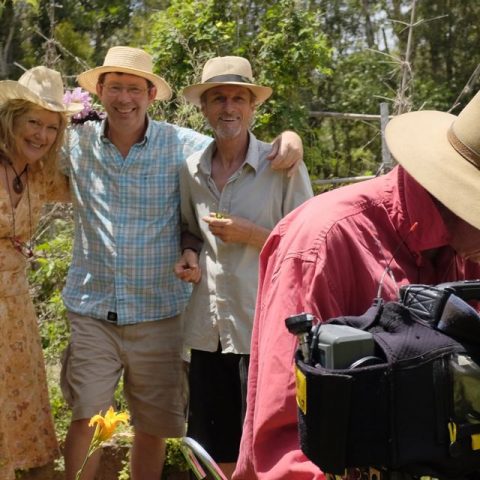
Aug 9th 2014: on ABC TV Gardening Australia”A SeedSavers retrospective” with Jerry CW, long time friend & board member....
Over the last 15 years, new kinds of hybrid and GM seeds have already spread extensively in Pakistan through...

Bill was such a big part of our family and our children. Jude and Michel Fanton the founder of SeedSavers...
Trailer This is just the trailer of a new doco on seeds. Our documentary is called “Our Seeds” a 57...
Jude and Michel will be travelling to Singapore, Turkey, Italy and France this coming June and July. Michel will...
Brian farms just over 2,200 acres in Indiana with his father and grandfather where they raise corn, soybeans, popcorn,...
Farrmers in Syria have their own networks to give and exchange vegetable and grain seeds. They always had. How...
Prolific photographer Stuart Owen Fox: a great friend
We love our pollinators. Check our Instagram for high speed videos of pollinators insects we meet. Here is a...
Vanuatu. We Took Part In An Australian Aid Program. It Was More About Helping Your Country Than Ours
Australia has long held an ideological opposition to the way of life of my people in Vanuatu. Customary land,...
In a bid to cope with the prevailing low commodity price environment, agricultural companies are looking for cost synergy...